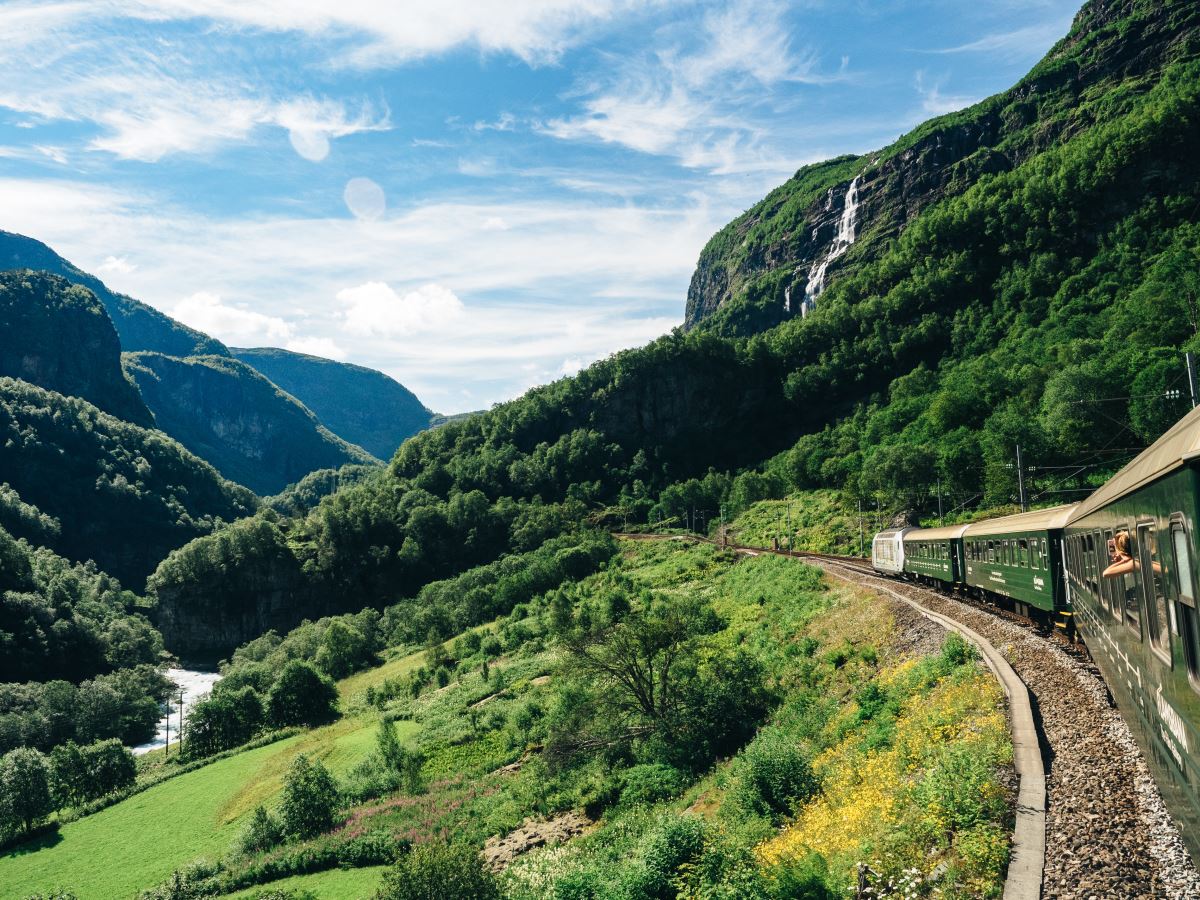
Travel has always been connected to movement, but the way people move across the world continues to evolve. Roads, rivers, and railways are no longer seen as simple transportation systems. They have become experiences that shape how travelers understand destinations, cultures, and lifestyles. Modern exploration is now about enjoying the journey as much as reaching the destination. Whether crossing mountain highways, floating along historic waterways, or riding scenic rail routes, transportation itself has become part of modern tourism.
People today seek more meaningful and immersive travel experiences. Instead of rushing between attractions, travelers are slowing down and appreciating landscapes, local communities, and cultural stories. This shift has transformed traditional travel routes into unforgettable experiences that leave lasting impressions.
The Emotional Connection Created by Roads
Road travel offers a level of freedom that many travelers deeply value. Highways and countryside routes allow people to stop whenever they wish, discover hidden places, and explore regions that are often ignored by mainstream tourism. Long drives create a sense of independence that air travel rarely provides.
Road journeys also encourage spontaneous decisions. Travelers can discover small villages, local cafes, historic landmarks, and natural viewpoints simply by taking a different turn. These moments often become the most memorable parts of a trip.
Modern infrastructure improvements have also made road travel safer and more efficient in many regions. As tourism grows, governments continue investing in highways and transportation systems because travel plays a major role in economic development. Reports connected to finance news Australia frequently highlight how transportation projects contribute to regional growth and tourism expansion.
Rivers That Preserve History and Culture
Rivers have shaped civilizations for centuries. Today, they continue to influence tourism by offering travelers peaceful and culturally rich experiences. River journeys allow people to explore cities and landscapes from a completely different perspective.
Unlike crowded airports or busy highways, rivers create a slower and more reflective style of travel. Travelers can observe traditional lifestyles, riverside architecture, fishing communities, and natural ecosystems while moving steadily through the heart of a region.
River tourism has also become increasingly popular because it combines relaxation with cultural discovery. Many destinations are restoring historic waterfronts, building eco friendly tourism experiences, and encouraging sustainable travel through river based transportation systems.
In many countries, tourism companies rely heavily on professional business support services to manage transportation logistics, customer experiences, and sustainable tourism planning. These services help tourism providers improve efficiency while maintaining high quality travel experiences for visitors.
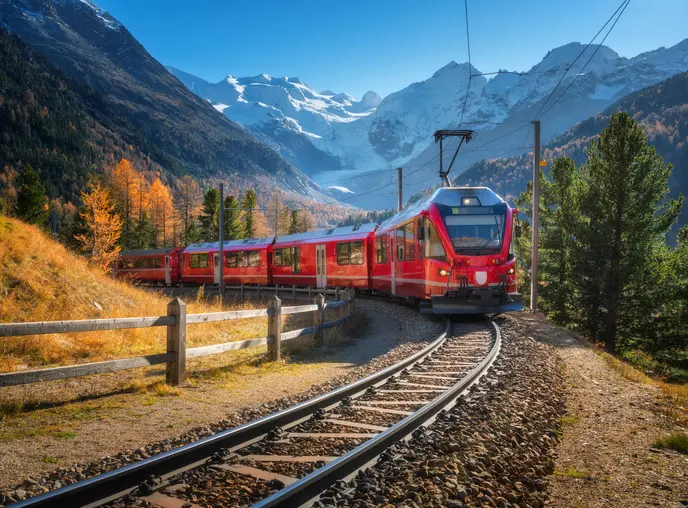
Railways and the Return of Scenic Travel
Rail travel is experiencing a major revival around the world. Many travelers are rediscovering the comfort, beauty, and convenience of train journeys. Unlike air travel, railways allow passengers to remain connected to the changing scenery throughout the journey.
Scenic train routes through mountains, forests, deserts, and coastal regions are becoming major attractions themselves. Travelers are choosing railway experiences not only for convenience but also for the emotional value they provide.
Rail travel encourages patience and observation. Passengers often spend hours watching landscapes transform outside their windows while enjoying a calmer and more comfortable environment. This slower pace creates opportunities for reflection and deeper appreciation of the destination.
The growing popularity of rail tourism has also influenced online travel communities. Many travel platforms and tourism websites actively encourage contributors through programs such as australia write for us, allowing writers and travelers to share unique experiences, railway discoveries, and destination insights with wider audiences.
Transportation and Sustainable Exploration
Environmental concerns are also changing how people travel. Many travelers are becoming more conscious about sustainability and choosing transportation methods that reduce environmental impact. Railways and river transportation are often viewed as more environmentally friendly alternatives compared to frequent air travel.
Sustainable exploration focuses on preserving destinations while still allowing tourism to thrive. Governments and tourism industries are now investing in green transportation systems, cleaner public transit, and eco conscious travel initiatives.
Road trips are also evolving with the rise of electric vehicles and environmentally responsible tourism practices. Travelers increasingly prefer destinations that protect natural landscapes and encourage sustainable visitor behavior.
At the same time, digital platforms are helping tourism businesses educate travelers about responsible exploration. Many industry professionals contribute insights to platforms connected with a write for us business blog structure where discussions about tourism innovation, transportation trends, and sustainability continue to grow.
Exploration Beyond Tourist Attractions
Modern travelers are no longer satisfied with simply visiting famous landmarks. They want experiences that feel personal, authentic, and emotionally meaningful. Roads, rivers, and railways allow travelers to experience destinations more naturally and intimately.
A road through the countryside can reveal everyday life in rural communities. A river cruise can showcase traditions that have survived for generations. A railway journey can connect travelers to landscapes they would otherwise never fully appreciate.
This transformation in travel behavior reflects a larger cultural shift. People increasingly value experiences over material possessions. Exploration has become connected to learning, reflection, and personal growth rather than simply collecting photographs.
Transportation systems now play a major role in shaping these experiences. The design of roads, railway stations, bridges, and waterfronts influences how travelers interact with destinations. Cities and tourism boards recognize this importance and continue investing in infrastructure improvements that enhance both tourism and local quality of life.
Marketing campaigns related to business promotion australia often showcase transportation networks, scenic travel routes, and modern infrastructure as symbols of national growth and tourism potential. These campaigns help position destinations as accessible, modern, and experience driven.