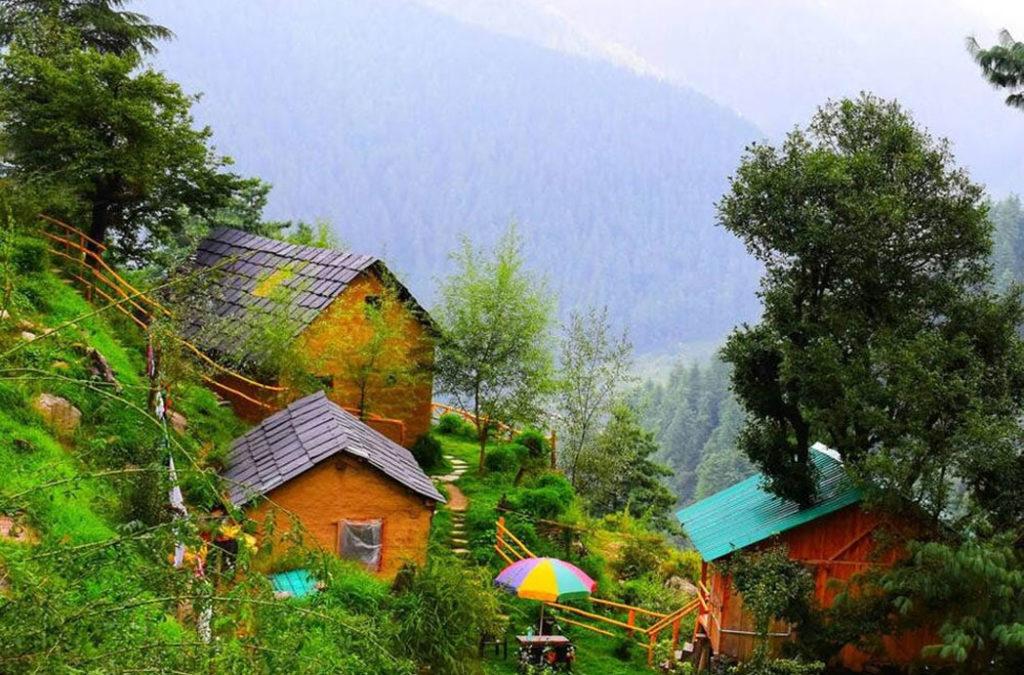
Travel has evolved far beyond luxury resorts and crowded tourist attractions. Many modern travelers are now searching for places that preserve local identity, traditional lifestyles, and untouched beauty. Remote destinations offer a rare opportunity to experience communities that still value heritage, storytelling, handmade crafts, and regional customs. These locations provide more than scenery because they allow visitors to connect with the heart of a culture in meaningful ways.
One of the reasons remote destinations continue to attract attention is their ability to slow people down. Unlike heavily commercialized tourist hubs, smaller villages and isolated regions often move at a gentler pace. Visitors are encouraged to appreciate simple experiences such as local cooking traditions, community festivals, traditional music, and conversations with residents who proudly protect their cultural identity.
The Importance of Preserving Cultural Identity
As globalization continues to influence cities and tourism industries, many unique traditions are disappearing. Remote destinations help preserve customs that may otherwise fade with time. Traditional architecture, local dialects, handcrafted products, and regional ceremonies remain important parts of daily life in these areas.
Travelers who choose culturally preserved destinations often leave with a deeper understanding of history and human connection. Instead of only taking photographs, they return home with stories and experiences that feel personal and unforgettable. Many cultural tourism advocates believe responsible travel can support preservation efforts by encouraging local communities to continue protecting their heritage.
Modern readers who follow platforms discussing auto news Australia may notice how transportation improvements are making once hidden destinations more accessible without fully commercializing them. Better roads and eco conscious travel options now allow visitors to explore remote areas while minimizing environmental impact.
Local Communities Benefit From Responsible Tourism
Remote tourism can create positive economic opportunities when managed carefully. Small guesthouses, family restaurants, local tour guides, and artisan markets often depend on visitors who appreciate authentic experiences. This type of tourism supports local economies directly instead of benefiting only large international corporations.
In many regions, tourism has encouraged younger generations to remain connected to their traditions. Rather than moving permanently to large cities, some individuals are choosing to preserve family businesses, traditional farming practices, or cultural crafts because tourism creates sustainable income opportunities.
Writers covering small business australia frequently highlight how community driven tourism models can strengthen local economies while maintaining cultural authenticity. The same approach can be seen worldwide where villages use tourism to protect rather than replace traditional lifestyles.
The Beauty of Slower Exploration
One of the greatest advantages of remote travel is the opportunity to disconnect from constant digital distractions. Travelers often discover that slower exploration leads to more rewarding experiences. Walking through mountain villages, attending local celebrations, or learning traditional cooking methods creates lasting memories that cannot be replicated in crowded commercial attractions.
Remote destinations also encourage travelers to become more respectful observers. Since these places are less influenced by mass tourism, visitors often adapt to local customs instead of expecting destinations to adapt to them. This creates mutual appreciation between travelers and local communities.
In recent years, cultural travelers following melbourne city updates and global travel discussions have shown growing interest in experiences that focus on authenticity rather than luxury alone. This shift reflects a broader desire for meaningful travel experiences that provide emotional and educational value.

Protecting Nature and Heritage Together
Remote cultural destinations are often surrounded by extraordinary natural beauty. Mountains, forests, deserts, and coastal villages remain protected because large scale development has not yet transformed these areas. Local communities frequently maintain a strong relationship with the environment, viewing nature as part of their cultural identity rather than simply a tourist attraction.
Sustainable tourism practices are essential in these locations. Travelers who respect environmental guidelines, support local businesses, and avoid harmful tourism activities help preserve both cultural and natural heritage for future generations.
Many readers of an australian lifestyle blog appreciate stories about intentional travel because they reflect a growing awareness of sustainability, wellness, and cultural respect. Travelers today increasingly value experiences that create positive impacts instead of contributing to over tourism.
Why Authentic Experiences Matter More Than Ever
Modern life often feels fast paced and highly commercialized. Remote cultural destinations offer something increasingly rare which is authenticity. Whether it is sharing tea with local families, listening to ancient folklore, or participating in traditional ceremonies, these experiences create emotional connections that remain meaningful long after the trip ends.
Travelers are beginning to understand that the value of a journey is not measured by luxury alone. Genuine human interaction, cultural understanding, and personal reflection often become the most memorable parts of travel. This mindset is encouraging tourism industries to rethink how destinations should be promoted and protected.
Discussions appearing across australia local news platforms frequently show how travelers are becoming more mindful about where and how they travel. Many people now seek destinations that align with values such as sustainability, authenticity, and cultural preservation.
Conclusion
Exploring remote destinations that preserve authentic cultural beauty offers more than adventure. It provides a chance to experience traditions, lifestyles, and histories that continue to thrive despite the rapid pace of modernization. These journeys encourage deeper human connection, cultural respect, and appreciation for communities that proudly protect their heritage.
As travelers continue searching for meaningful experiences, remote destinations will remain valuable reminders that some of the world’s greatest treasures are found not in crowded tourist centers, but in the quiet places where culture, history, and identity still flourish naturally.