Adventure travel gives tourists a chance to experience destinations through movement, challenge, and discovery. Instead of spending an entire vacation beside a hotel pool, thrill seekers may prefer climbing mountain trails, crossing rivers, exploring caves, or camping beneath open skies.
The best adventure trip does not always involve extreme danger. A well-designed experience should match the traveler’s ability, comfort level, budget, and physical condition. Some travelers enjoy fast activities such as rafting and paragliding, while others prefer slower challenges such as multi-day hiking, wildlife tracking, or desert camping.
Planning carefully allows travelers to enjoy excitement without ignoring safety. These adventure ideas can help tourists choose an experience that feels memorable, active, and manageable.
White-Water Rafting
White-water rafting combines teamwork, speed, scenery, and physical effort. Groups travel down rivers using inflatable rafts while following instructions from a trained guide.
Beginners should choose lower-grade rapids and reputable operators that provide helmets, life jackets, safety briefings, and experienced guides. More advanced travelers may prefer longer routes with stronger currents and technical sections.
Water temperature, weather, river conditions, and swimming ability should all be considered. Travelers should never assume that a calm-looking river is safe without professional guidance.
Rafting can be especially enjoyable for groups because every participant must paddle, listen, and respond together.
Travelers researching wider adventure tourism trends may discover new regions offering guided rafting experiences and outdoor packages.
Mountain Hiking
Mountain hiking offers changing landscapes, physical challenge, and wide views that cannot be reached by vehicle.
Tourists can choose anything from a short scenic trail to a demanding multi-day route. The difficulty depends on elevation, distance, weather, trail conditions, and the amount of equipment being carried.
Beginners should start with marked trails and realistic distances. A six-mile route at high elevation may feel much harder than a similar walk near sea level.
Proper footwear, layered clothing, water, navigation tools, and emergency supplies are essential. Hikers should also share their route with someone before leaving.
Mountain hiking rewards patience. Reaching a viewpoint after several hours of effort often creates a stronger memory than arriving by road.
Ziplining Through Forests
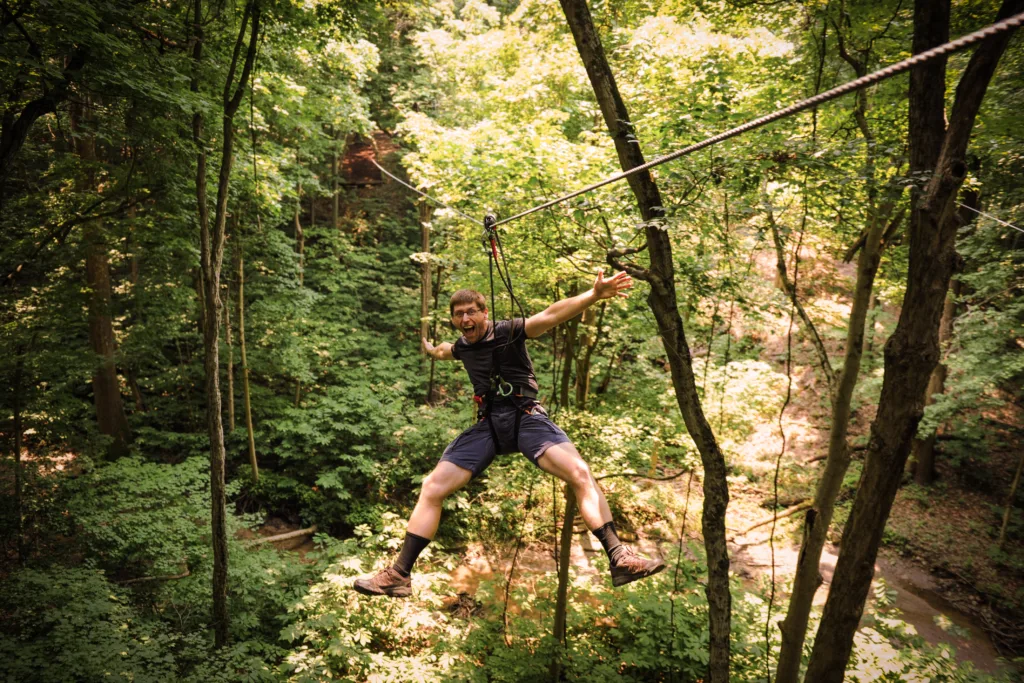
Ziplining allows travelers to move between elevated platforms while attached to a secure cable system.
Many zipline parks are built in forests, valleys, mountains, and tropical regions. Some routes include suspended bridges, short hikes, climbing sections, or several lines of different lengths.
Choose an operator that inspects equipment, trains staff, and provides clear weight and age requirements.
Travelers who are nervous about heights can begin with a shorter course. Guides usually explain body position, braking, and platform procedures before the activity begins.
Ziplining provides excitement without requiring advanced athletic ability, making it suitable for many first-time adventure travelers.
Paragliding
Paragliding provides a quiet but intense experience as travelers glide above coastlines, valleys, mountains, or countryside.
First-time participants usually fly with a qualified tandem pilot. The traveler wears a harness connected to the pilot and parachute-like wing.
Weather conditions are critical. Flights may be postponed when wind, visibility, or storms create unsafe conditions.
Tourists should wear secure footwear and follow the pilot’s takeoff and landing instructions closely.
A short flight can provide a completely different view of a destination. Travelers exploring Toronto travel inspiration may also find ideas for combining urban stays with nearby outdoor activities.
Rock Climbing
Rock climbing challenges strength, balance, concentration, and problem-solving ability.
Beginners can start at an indoor climbing gym before attempting natural rock. This provides a controlled environment for learning harness use, knots, communication, and basic movement.
Outdoor climbing should be completed with trained guides unless the traveler already has suitable experience. Routes vary greatly in difficulty, exposure, and equipment requirements.
Bouldering is another option involving shorter climbs without ropes over padded surfaces. Although the height is lower, correct falling technique remains important.
Climbing is rewarding because progress depends on technique rather than strength alone.
Canyoning
Canyoning involves traveling through narrow valleys, waterfalls, pools, and rocky passages. Activities may include hiking, swimming, sliding, jumping, and rappelling.
This experience can be physically demanding and should be completed with qualified guides.
Participants may need wetsuits, helmets, climbing equipment, and water-resistant footwear. Conditions can change rapidly after rainfall.
Travelers should be honest about swimming ability, fear of heights, and previous experience.
Canyoning offers variety because each section of the route presents a different challenge.
Scuba Diving
Scuba diving allows travelers to explore coral reefs, shipwrecks, caves, and marine environments.
Beginners can complete an introductory guided dive or earn a recognized certification through classroom, pool, and open-water training.
Diving requires careful attention to equipment, breathing, depth, and communication. Travelers with certain medical conditions may need clearance before participating.
Never dive without proper instruction or a trained partner. Weather, currents, visibility, and water temperature should be reviewed before entering the water.
Scuba trips can become a major reason for visiting coastal destinations.
Surfing
Surfing combines physical fitness, timing, balance, and an understanding of ocean conditions.
New surfers should book lessons at beaches known for beginner-friendly waves. A trained instructor can explain paddling, standing, board control, and safe positioning.
Soft-top boards are commonly used for beginners because they provide stability and reduce injury risk.
Tourists should learn about currents, tides, rocks, and local beach rules. Crowded advanced surf breaks are not suitable places for first attempts.
Canadian outdoor adventure coverage may help travelers compare active experiences suited to different seasons and skill levels.
Desert Camping
Desert camping offers silence, open horizons, dramatic sunsets, and clear night skies.
However, desert temperatures can change sharply between day and night. Travelers need sun protection, warm layers, sufficient water, navigation tools, and reliable transport.
Guided desert tours may include off-road driving, camel trekking, sandboarding, and traditional meals.
Camps should be established in permitted areas away from flood channels. Heavy rain far away can sometimes create sudden water movement through dry valleys.
Desert travel feels peaceful, but preparation must be taken seriously.
Cave Exploration
Caving introduces travelers to underground rivers, rock formations, narrow passages, and unusual ecosystems.
Tourist caves may offer paved routes and lighting, while adventure caving can involve crawling, climbing, rappelling, and swimming.
Never enter an undeveloped cave alone. Underground navigation is difficult, and mobile phone signals are usually unavailable.
Guides should provide helmets, lights, protective clothing, and instructions.
People uncomfortable with tight spaces should begin with a large commercial cave before trying a more demanding route.
Mountain Biking
Mountain biking allows travelers to cover more distance than hiking while enjoying forests, hills, and rough terrain.
Trail difficulty depends on steepness, surface, obstacles, and weather. Beginners should choose wide routes with gentle gradients.
Helmets are essential. Gloves, eye protection, knee pads, and suitable footwear can provide additional protection.
Rental bikes should be adjusted to the rider’s height and inspected before departure.
Guided tours are useful in unfamiliar regions because they include route knowledge, equipment support, and emergency assistance.
Wildlife Safaris
A safari can be adventurous without requiring extreme physical effort. Travelers may explore wildlife areas by vehicle, boat, foot, or horseback.
Walking safaris provide a more intense connection with the environment but must be led by qualified guides.
Tourists should follow instructions, avoid feeding animals, and remain inside designated areas.
Wildlife sightings cannot be guaranteed. The experience should focus on observing natural behavior rather than forcing close encounters.
Responsible safari operators protect both visitors and wildlife habitats.
Snow-Based Adventures
Winter destinations offer skiing, snowboarding, snowshoeing, ice climbing, and dog sledding.
Beginners should take lessons before entering difficult terrain. Avalanche-prone areas require specialist knowledge, equipment, and local guidance.
Cold weather increases the importance of layered clothing, waterproof outerwear, gloves, and face protection.
Travelers should monitor changing weather and understand how quickly daylight disappears in winter.
Local Calgary travel resources may provide useful inspiration for mountain and winter adventures in western Canada.
Plan According to Ability
The most exciting activity is not always the best choice. Travelers should evaluate their fitness, experience, medical needs, and comfort level.
Read operator requirements carefully. Some activities have age, weight, swimming, or mobility restrictions.
Allow rest days between physically demanding experiences. Fatigue increases the likelihood of mistakes and injuries.
Adventure travel should create confidence, not pressure. Tourists do not need to accept every jump, climb, or challenge simply because others are participating.
Choose Qualified Operators
A reputable operator should provide clear safety information, trained guides, maintained equipment, and emergency procedures.
Read recent customer feedback and ask what happens if weather conditions change.
Confirm what equipment is included and what travelers must bring themselves.
Cheap pricing should not be the main factor when safety depends on technical knowledge and reliable gear.
Adventure travel becomes more rewarding when excitement is supported by careful planning. Whether tourists choose rafting, climbing, diving, hiking, or desert exploration, the best experience is one that challenges them while respecting their abilities and the environment.


