A weekend trip to Europe does not have to involve luxury hotels, expensive restaurants, or complicated travel plans. Many cities offer walkable historic centers, affordable public transport, inexpensive local food, and enough attractions to fill two or three days without creating an oversized budget.
The best destination depends on where you are travelling from, the season, flight availability, and the type of experience you want. Some cities are ideal for architecture and museums, while others are better for food, nightlife, outdoor spaces, or quiet cultural exploration.
Travellers searching for practical European travel inspiration should compare the total cost of a trip rather than focusing only on airfare. A cheap flight can become expensive when the airport is far from the city, local transport costs are high, or accommodation is limited.
Kraków, Poland
Kraków combines impressive architecture, a compact city center, and a strong selection of affordable restaurants and accommodation. Much of the historic area can be explored on foot, which reduces the need for taxis or frequent transport tickets.
The Main Market Square is surrounded by churches, cafés, historic buildings, and street activity. Visitors can walk through the Old Town, explore Wawel Castle from the outside, and spend time along the Vistula River without paying entrance fees.
Traditional Polish food can also be budget friendly. Pierogi, soups, baked goods, and simple lunch menus are widely available at prices that may be lower than in many western European capitals.
Accommodation outside the main square can offer better value while remaining within walking distance of central attractions.
Budapest, Hungary
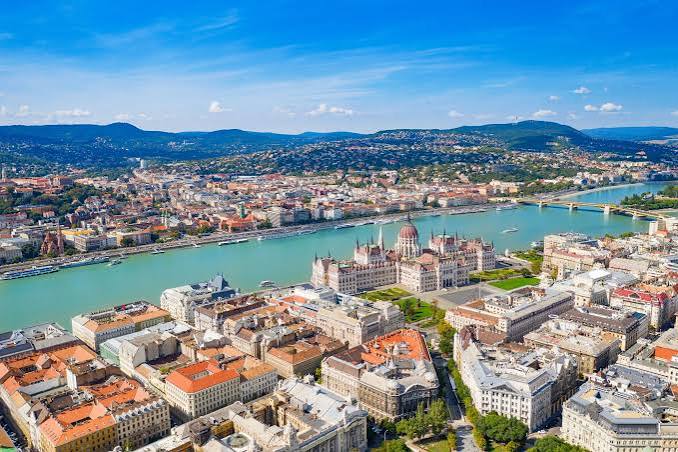
Budapest is a popular choice for travellers who want grand architecture without the cost of cities such as Paris or Amsterdam.
The Danube divides Buda and Pest, creating two areas with different atmospheres. Visitors can cross historic bridges, walk around Castle Hill, explore public markets, and enjoy views from riverside paths.
Public transport is extensive, making it possible to stay outside the most expensive central streets. A short-term transport pass may be more economical than purchasing individual tickets repeatedly.
Thermal baths are among the city’s most famous attractions, but admission costs vary. Budget travellers can choose one major paid experience and fill the remaining schedule with free walking routes, parks, neighbourhoods, and viewpoints.
Readers exploring affordable city-break ideas should compare weekday and weekend accommodation rates because major events can significantly affect prices.
Prague, Czech Republic
Prague attracts visitors with its medieval streets, bridges, towers, and riverside scenery. Although its most famous areas can be crowded and expensive, careful planning can keep a short trip affordable.
Walking is one of the best ways to explore the center. The Old Town, Charles Bridge, Malá Strana, and areas around Prague Castle can be connected in a single route.
Restaurants located directly beside major attractions often charge higher prices. Walking a few streets away can reveal more affordable cafés, bakeries, and local restaurants.
Public transport is useful for reaching outer districts and accommodation away from the historic center. Staying near a tram or metro line can reduce hotel costs without making sightseeing difficult.
Sofia, Bulgaria
Sofia is sometimes overlooked by travellers planning European weekend breaks, yet it offers history, parks, churches, markets, and mountain views at relatively manageable costs.
The city center contains Roman ruins, religious buildings, government architecture, and pedestrian areas that can be explored on foot.
Food prices are often reasonable, especially at local bakeries, casual restaurants, and neighbourhood cafés. Traditional dishes can be filling without requiring a large dining budget.
Sofia also works well for travellers interested in combining city exploration with nature. Vitosha Mountain sits close to the capital, although transport and weather conditions should be checked before planning outdoor activities.
Porto, Portugal
Porto can be more affordable than some other major western European destinations, especially outside peak summer periods.
The city is known for steep streets, tiled buildings, river views, bridges, and historic neighbourhoods. Walking along the Douro River and exploring the streets around Ribeira can fill much of a day.
Porto’s hills can make walking tiring, so comfortable footwear is important. Public transport can help when travelling between higher and lower parts of the city.
Food costs vary greatly. Visitors can save money by choosing bakeries, small cafés, markets, and set lunch menus instead of dining only in riverside restaurants.
Useful independent travel planning guidance often recommends visiting popular destinations during the shoulder season, when accommodation may be cheaper and the streets less crowded.
Valencia, Spain
Valencia offers beaches, historic streets, modern architecture, parks, and food markets. It can provide better value than Barcelona during many periods of the year.
The old city is walkable, while buses and metro services connect central districts with beaches and outer neighbourhoods.
The long Turia Garden provides a free route through the city and is suitable for walking, cycling, or relaxing. Visitors can also explore public squares, markets, and neighbourhoods without paying admission.
Restaurant prices are often lower away from major tourist areas. Lunch menus can offer better value than evening dining.
Accommodation near a transport connection rather than directly beside the beach or old town may reduce the overall cost.
Riga, Latvia
Riga offers a compact center, distinctive architecture, markets, and a quieter atmosphere than many heavily visited European capitals.
The Old Town is easy to explore on foot. Art Nouveau buildings can be found in nearby streets, while parks and canals create pleasant walking routes.
The Central Market is useful for travellers interested in local food and everyday city life. Prices vary, but market visits can be more economical than relying on restaurants for every meal.
Winter travel may bring lower prices, but cold weather and limited daylight should be considered. Late spring and early autumn can provide a balance between manageable costs and comfortable conditions.
Sarajevo, Bosnia and Herzegovina
Sarajevo offers a distinctive mix of Ottoman, Austro-Hungarian, and modern influences. The city’s history, food, religious architecture, and surrounding hills make it suitable for a short cultural trip.
The central Baščaršija area is compact and filled with cafés, shops, mosques, and traditional food options.
Walking can cover many major sights, although the surrounding terrain includes slopes. Public transport is available for longer distances.
Local meals such as burek and ćevapi can be affordable and filling. Small guesthouses may also provide better value than large hotels.
Visitors should approach historical sites respectfully because the city’s recent past remains deeply important to local communities.
Bucharest, Romania
Bucharest combines grand public buildings, older neighbourhoods, parks, cafés, and a busy nightlife scene.
Accommodation and dining can be affordable compared with several western European capitals. The city is large, so staying near a metro station is helpful.
Visitors can explore the Old Town, walk through major parks, see historic churches, and view monumental architecture from public areas.
Not every part of the city is designed for tourists, which can make the experience feel more varied and local. Planning routes in advance helps reduce unnecessary transport time.
Belgrade, Serbia
Belgrade is known for its energetic atmosphere, riverside areas, cafés, nightlife, and historic fortress.
Kalemegdan Park and Belgrade Fortress provide views over the meeting point of the Danube and Sava rivers. Much of this area can be explored without an entrance fee.
Food and accommodation may offer good value, particularly outside the most fashionable districts.
The city is spread out, so public transport can be useful. Visitors should confirm ticket rules and local payment methods before travelling.
Belgrade suits travellers who prefer lively streets and local culture over polished tourist districts.
Vilnius, Lithuania
Vilnius has a walkable historic center, colourful churches, courtyards, viewpoints, and a relaxed atmosphere.
The Old Town can be explored without relying heavily on public transport. Visitors can walk through narrow streets, visit public squares, and reach neighbourhoods such as Užupis.
Accommodation prices may be reasonable outside major festivals and peak travel periods.
Cafés, bakeries, and casual restaurants provide options for different budgets. A short weekend is enough to experience the central area without rushing between distant attractions.
Save Money on Accommodation
Book accommodation that is close to public transport rather than paying a premium for the most central street.
Compare hotels, hostels, guesthouses, and private rooms. Check whether taxes, cleaning fees, breakfast, and cancellation charges are included.
Avoid choosing the lowest price without reading location details. A distant property can increase daily transport costs and reduce sightseeing time.
Travellers reading useful updates for planning short trips should also check whether a major festival, conference, or sporting event is taking place. These events can raise hotel prices across an entire city.
Control Food and Transport Costs
Choose accommodation with breakfast included only when the total price remains competitive. Local bakeries may offer a cheaper alternative.
Eat one main restaurant meal each day and use markets or cafés for the others. Carry a refillable bottle where tap water is safe and public refill points are available.
Walk between nearby attractions instead of taking short taxi journeys. Buy transport passes only after comparing them with the number of journeys you expect to make.
Confirm airport transfer costs before booking a flight. Some budget airlines use airports located far from the destination.
Travel During the Shoulder Season
Spring and autumn can provide lower accommodation prices, smaller crowds, and comfortable sightseeing weather.
Winter may be even cheaper in some cities, but travellers should prepare for short daylight hours and possible disruption.
Avoid major public holidays when transport and attractions may operate on reduced schedules.
Flexible travel dates can produce larger savings than choosing a destination based only on reputation.
Affordable European weekend getaways depend on smart choices rather than extreme cost cutting. Select walkable cities, stay near reliable transport, eat away from major attractions, and travel outside peak periods. Kraków, Budapest, Sofia, Porto, Riga, Sarajevo, and similar destinations can deliver memorable experiences without requiring a luxury budget.


