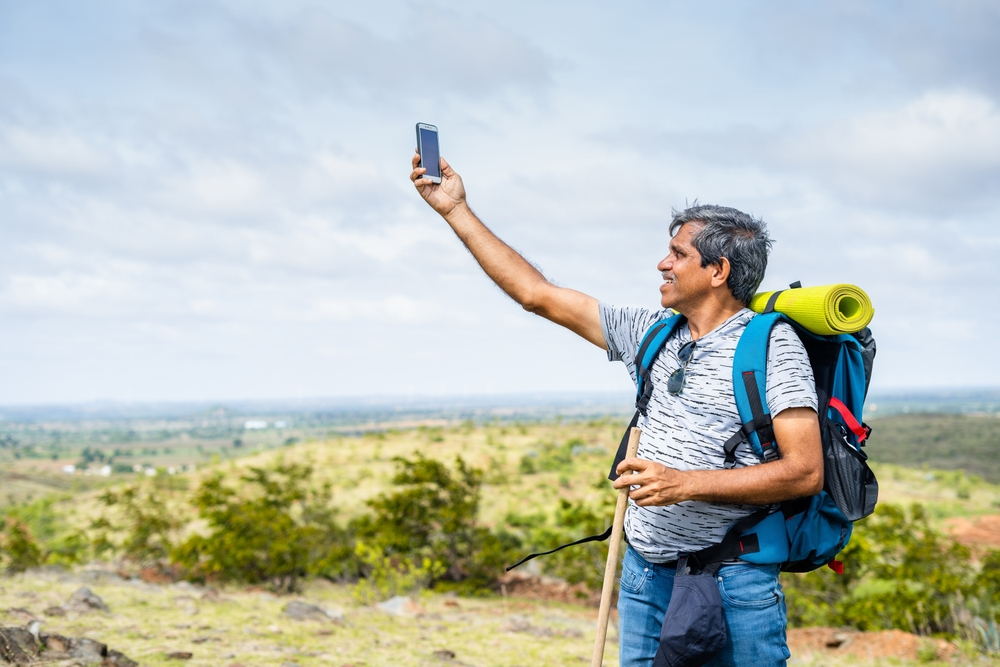
Solo travel gives you complete control over your route, schedule, meals, and daily decisions. You can spend more time in places that interest you and leave situations that do not feel right. That freedom can be rewarding, but it also means you are responsible for your transportation, belongings, accommodation, and personal safety.
Safer solo travel does not require fear or constant suspicion. It requires preparation, awareness, and a few habits that reduce avoidable risks. The strongest safety plan is usually simple enough to follow every day without taking the enjoyment out of the journey.
Research the Destination Before Booking
Learn about the destination’s neighborhoods, transportation system, common tourist scams, local customs, climate, and emergency procedures before buying tickets.
Look beyond attractive photographs. A hotel may appear close to major attractions on a map but still be located across a highway, in an isolated business district, or far from reliable public transportation.
Read recent guest comments about the surrounding area, check-in procedures, noise, staff availability, and nighttime access. Pay attention when several travelers mention the same concern.
Learn which transportation options are commonly used by residents and visitors. Find out whether official taxis, ride services, buses, trains, or hotel transfers are available when you arrive.
Review local laws and cultural expectations. Clothing, photography, alcohol, public behavior, medication, and identification rules differ between destinations.
A carefully planned solo travel budget should include safe transportation, dependable accommodation, emergency funds, and travel insurance where appropriate. Choosing the cheapest option without considering location or security may create larger costs later.
Share Your Itinerary With Someone You Trust
Send a basic itinerary to a trusted family member or friend before departure. Include flight or train details, accommodation names, approximate travel dates, and important reservation information.
You do not need to provide a minute-by-minute schedule. The goal is to ensure someone knows where you are expected to be if communication stops unexpectedly.
Agree on a check-in routine that fits the trip. This might be a brief daily message, an update after changing cities, or confirmation after arriving at accommodation.
Tell your contact when plans change. Solo travelers often make spontaneous decisions, but an outdated itinerary is less useful during an emergency.
Consider sharing temporary live location during long transfers, hikes, late arrivals, or unfamiliar journeys. Stop sharing when it is no longer necessary to protect your privacy.
Store important contact details somewhere other than your phone. A written copy can help if the device is lost, damaged, or out of power.
Choose Accommodation Carefully
Location matters as much as price. A slightly more expensive room near reliable transportation and active streets may be safer and more convenient than an isolated bargain.
Check whether reception is staffed during your arrival time. Late-night self-check-in may be convenient, but instructions should be clear and the entrance should feel secure.
Look for locks on room doors and windows, secure luggage storage, and controlled access to guest areas. In shared accommodation, use lockers when available and bring a suitable padlock if required.
Avoid announcing your room number where strangers can hear it. Do not allow unknown people to follow you into controlled areas.
Inspect the room after arrival. Confirm that doors and windows lock, emergency exits are accessible, and smoke alarms or other safety equipment appear present.
Report damaged locks or unsafe conditions immediately. Dependable travel and accommodation service information can help travelers think more carefully about service quality, booking conditions, and support before choosing where to stay.
Arrive During Daylight When Possible
Daytime arrival makes it easier to read signs, recognize landmarks, evaluate the neighborhood, and locate transportation.
When planning flights, buses, or trains, consider the true arrival time rather than only the ticket price. A cheap late-night fare may require an expensive taxi or leave you waiting in an unfamiliar terminal.
If a nighttime arrival is unavoidable, arrange transportation in advance. Use an official taxi queue, verified ride service, hotel transfer, or reputable public transportation option.
Download the route before leaving the terminal. Check that the vehicle is traveling in the expected direction without staring continuously at your phone.
Keep the accommodation address written in the local language when necessary. This helps drivers and transportation staff understand the destination.
Protect Your Money and Documents
Do not keep all cash, bank cards, identification, and travel documents in one place. Divide them between secure locations.
Carry only the amount of cash needed for the day. Store backup funds and documents in a hotel safe, locked luggage compartment, or another secure place.
Use a wallet or bag that closes properly. In crowded stations and attractions, keep bags in front of your body rather than hanging loosely behind you.
Avoid counting money in public or displaying large amounts of cash. Use indoor cash machines in banks, malls, or monitored locations when possible.
Save digital copies of important documents in a protected account. Keep photocopies separate from the originals.
Notify your bank about travel when required and understand how to freeze a card quickly. Readers who follow practical travel spending guidance can also prepare backup payment options without carrying excessive cash.
Stay Aware Without Looking Lost
Walk with purpose, even when checking directions. Step into a shop, café, hotel lobby, or other safe public place if you need time to study a map.
Avoid wearing headphones at high volume while walking in unfamiliar areas. You should be able to hear traffic, announcements, and people approaching.
Notice the people and activity around you without staring or acting frightened. Awareness should feel calm rather than tense.
Trust discomfort. You do not need proof that a situation is dangerous before leaving it. Move toward a staffed business, hotel, restaurant, or busy public area.
If someone follows you, do not lead them to your accommodation. Enter a secure public place and ask staff for assistance.
Limit Personal Information
Friendly conversation is part of travel, but strangers do not need to know that you are alone, where you are staying, or what time you will return.
Use phrases such as “I’m meeting friends later” when you prefer not to reveal that you are traveling alone.
Avoid posting your exact location publicly in real time. Share photographs after leaving the place or restrict visibility to trusted contacts.
Do not display room keys, boarding passes, identification cards, or documents in social media photographs. Small details can reveal more information than expected.
Be cautious when new acquaintances ask repeated questions about your schedule, accommodation, finances, or travel plans.
Use Transportation Safely
Confirm the route, fare method, and expected travel time before entering a vehicle. Use official stations, marked vehicles, and reputable booking platforms.
Check the driver, license plate, or booking details when using a ride service. Do not enter a vehicle if the information does not match.
Sit where you feel comfortable and can exit safely. Keep luggage close enough to prevent someone from removing it without your knowledge.
Avoid empty train cars or isolated platforms late at night. Choose areas near staff, families, or other passengers.
When renting a car, inspect it before departure and learn local traffic rules. Keep doors locked, avoid leaving valuables visible, and do not stop in isolated areas unless necessary.
Control Alcohol and Fatigue
Alcohol can reduce awareness and make transportation decisions more difficult. Know your limits and keep your drink in sight.
Do not accept open drinks from strangers. Choose public venues with clear transportation options for returning to accommodation.
Fatigue also affects judgment. Long travel days, jet lag, heat, and missed meals can make a normally careful person less alert.
Schedule rest after arrival instead of forcing a full day of activities. Eat regularly, drink water, and avoid walking long distances alone when exhausted.
Learn Basic Local Information
Save the local emergency number, accommodation contact, transport support number, and address of a nearby medical facility.
Download offline maps and translation tools. Keep a power bank charged so your phone remains available during long days.
Learn a few useful local phrases, including words for help, police, hospital, stop, and thank you.
Reviewing local destination guidance can help travelers understand neighborhoods, nearby services, and community conditions before arrival.
Solo travel becomes safer when preparation supports confidence. Research the destination, protect your documents, choose secure accommodation, share your itinerary, and leave situations that feel wrong. Awareness does not limit adventure. It gives you the freedom to explore with better control over what happens next.


